

.jpg "HSE Researchers Study Emerging Adulthood in Russia")
HSE Researchers Study Emerging Adulthood in Russia
Sociology today distinguishes more developmental stages of growing up than just childhood, adolescence, and early adulthood, as commemorated in Leo Tolstoy’s trilogy Childhood, Boyhood, Youth. For the past two decades, sociologists have been exploring the concept of emerging adulthood, a transitional stage that occurs between adolescence and early adulthood. Researchers at the HSE Institute of Education have discovered that in Russia, one out of every two young respondents, with females more frequently than males, falls within the emerging adult category. The study findings have been published in Emerging Adulthood.
.jpg "News Finds You: HSE Researchers Study Media Consumption of People Who Avoid News")
News Finds You: HSE Researchers Study Media Consumption of People Who Avoid News
News avoidance is a global phenomenon that affects millions of people around the world. Despite their conscious refusal to consume media content, many argue that the most important news still finds them. Researchers at the HSE Laboratory for Studies in Economic Sociology have studied how people perceive the ‘news-finds-me’ effect. The results of the study were published in the Bulletin of Moscow University.

Good Deeds Bring Moral Satisfaction to Russians
Researchers from HSE University have analysed why people feel happier when they help others. It turns out that joy is caused by different reasons, depending on who we help — relatives or strangers. In both cases, happiness brings moral satisfaction from doing a good deed, but helping loved ones is also associated with satisfying the need for belonging and acceptance, while helping strangers provides a sense of autonomy. The results of the research were published in the Journal of Social and Personal Relationships.

Alcohol Consumption Patterns Vary Across Social Groups in Russia, According to HSE Research
Although there is a larger percentage of drinkers among high-status professionals and executives compared to low-status workers, the former consume less alcohol. This is one of the findings of a study carried out by researchers of the HSE Faculty of Economic Sciences and published in Voprosy Statistiki.
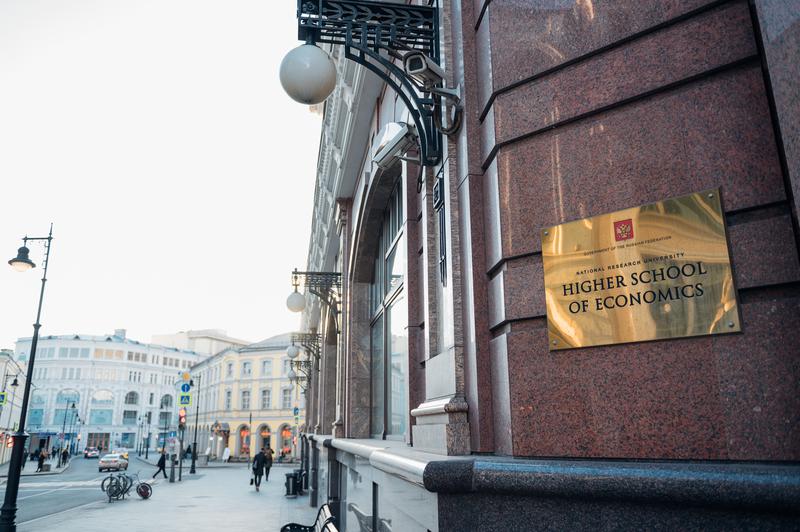
‘Studying at HSE Was a Chance for Me to Get to Know Some Supportive Seniors, Knowledgeable Professors, and Wonderful Friends’
On August 4, 2023, a pre-defence of the thesis on ‘Refugee-Host Community Conflict over Assimilation, Integration, and State Legitimacy: The Case of Rohingyas in Bangladesh’ by Md. Reza Habib will be held at HSE University. The preliminary defence will take place at a joint meeting of the HSE School of Sociology and the International Laboratory for Social Integration Research. Md. Reza Habib shared his experience of studying and preparing his PhD with the HSE News Service.

Factors Affecting Alcohol Consumption Are Shaped in Childhood
Economists and sociologists who study alcohol consumption patterns often link them to people's living conditions and human capital such as education, work experience, and knowledge. Researchers of the HSE Laboratory for Labour Market Studies and the HSE Laboratory for Studies in Economic Sociology have found that non-cognitive skills developed in childhood and adolescence can have a major effect on the likelihood of alcohol abuse later in life and can diminish the role of education in this respect. The paper has been published in the Journal of Comparative Economics.
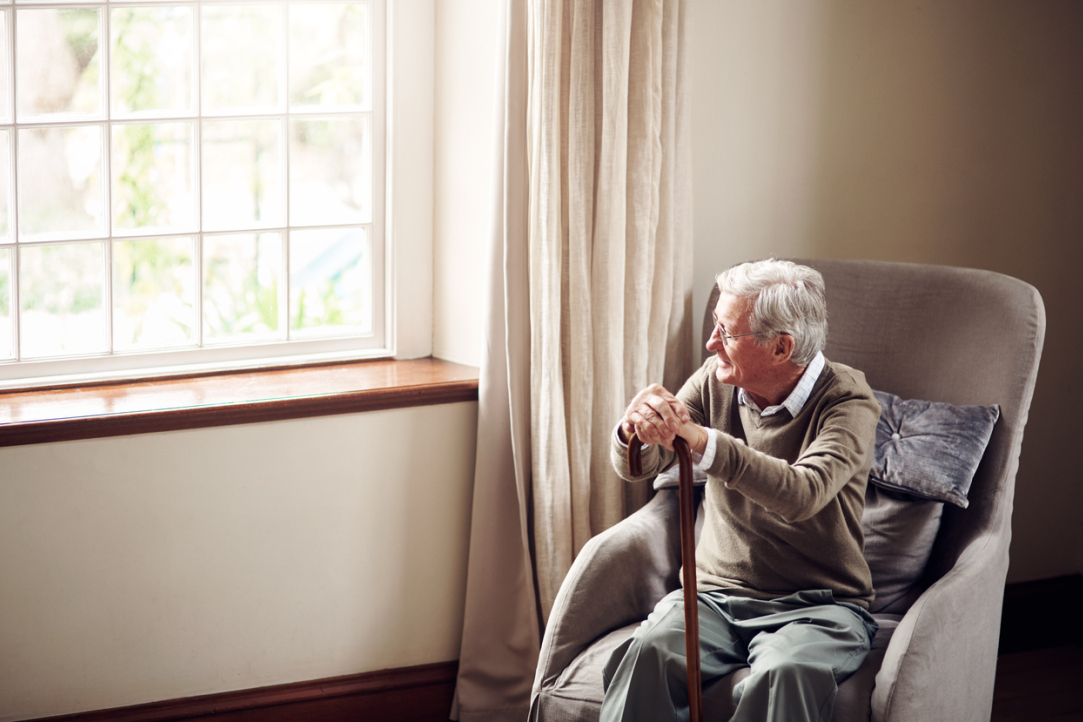
Capabilities as an Indicator of Poverty
Using a multidimensional approach, sociologists from HSE University have identified some vulnerable categories of the population that have rarely been the focus of research on poverty. According to their calculations, pensioners and people with disabilities also fall into the ‘poor’ category. The study was published in the Russian Journal of Economics.
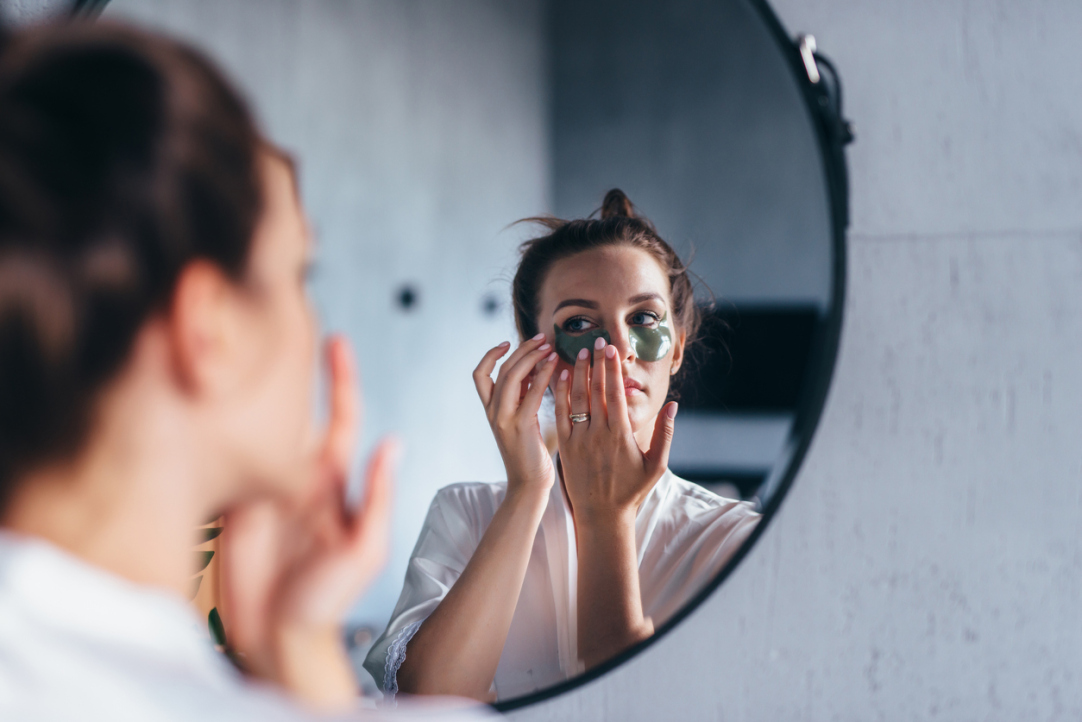
People Spend 1/6th of their Lifetime on Enhancing Their Appearance
An international team including HSE researchers has conducted the largest ever cross-cultural study of appearance-enhancing behaviours. They have found that people worldwide spend an average of four hours a day on enhancing their beauty. Caring for one's appearance does not depend on gender, and older people worry as much about looking their best as the young do. The strongest predictor of attractiveness-enhancing behaviours appears to be social media usage. The study findings have been published in Evolution and Human Behaviour.
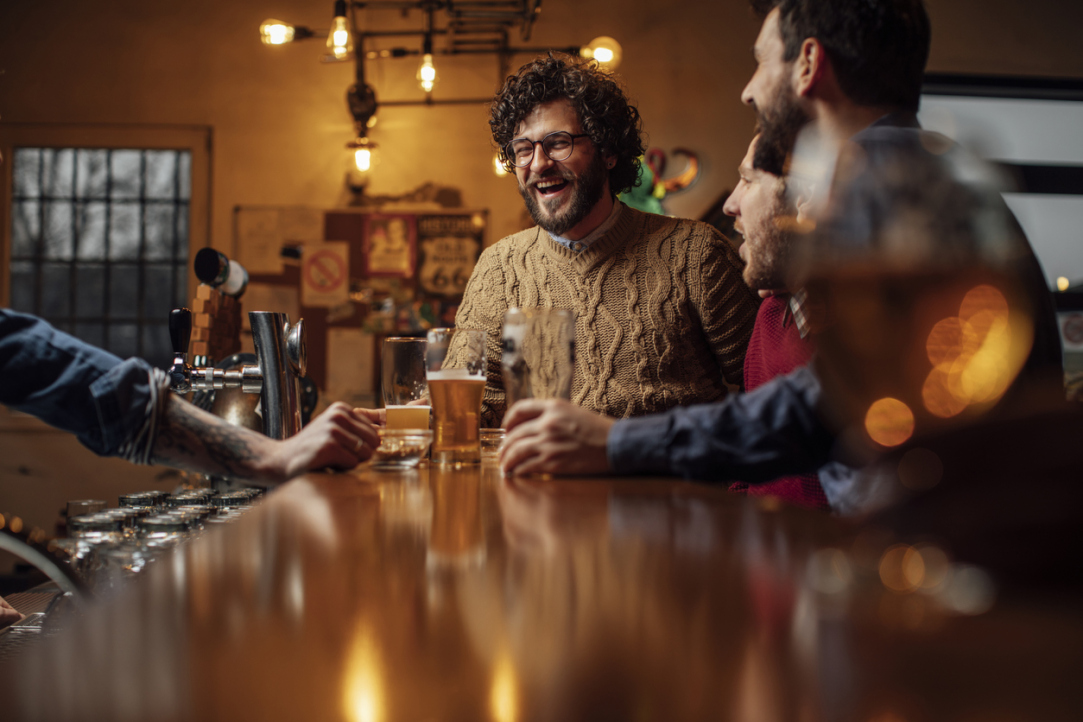
Alcohol Consumption by Young Russians Drops by Half, Study Says
Sociologist Valeria Kondratenko used data from the Russian Longitudinal Monitoring Survey-HSE (RLMS-HSE) to demonstrate that the percentage of young Russians aged 14 to 22 who consume alcohol decreased by 2.3 times from 62.1% to 26.9% between 2006 and 2019. This paper also explores the correlation between the alcohol consumption habits of children and those of their parents. A paper with the findings of this study has been published in the Bulletin of RLMS–HSE.
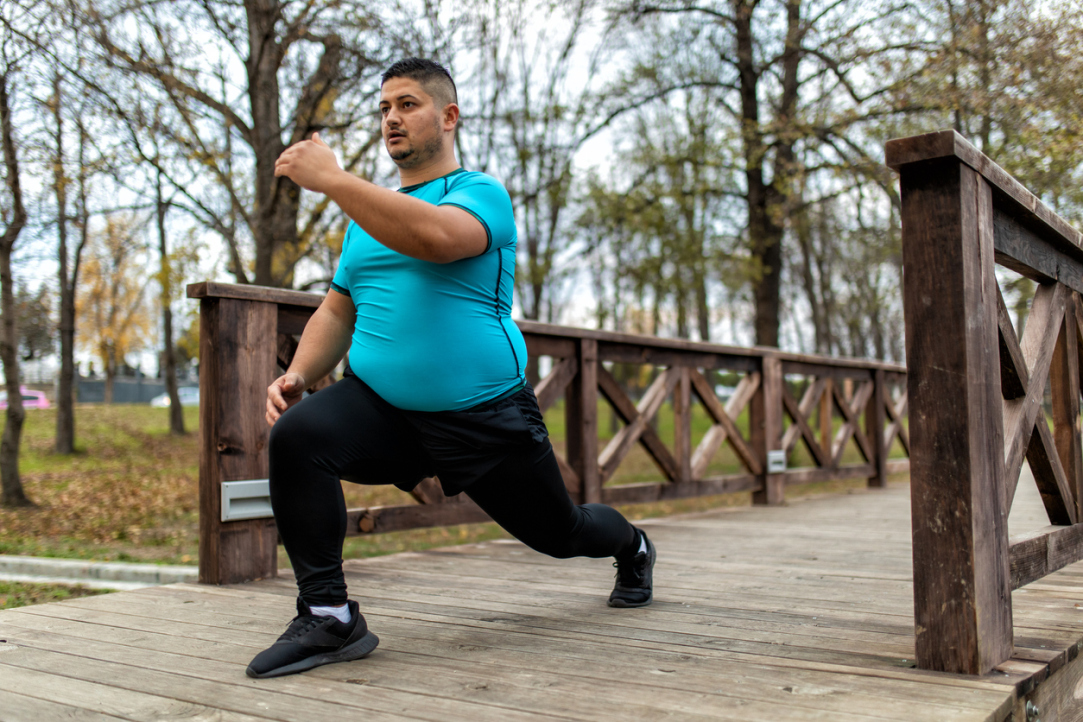
Obesity in Men Associated with Individualism, Study Finds
Researchers of the HSE Laboratory for Comparative Social Research (LCSR), jointly with colleagues from research centres in Germany, Australia and China, examined the relationship between national variations in obesity rates and cultural dimensions. The associations they found were tested empirically through analyses conducted across 51 countries worldwide. Individualism appears to be associated with a higher prevalence of obesity, but only in the male population. The study findings have been published in Social Science & Medicine.